


-
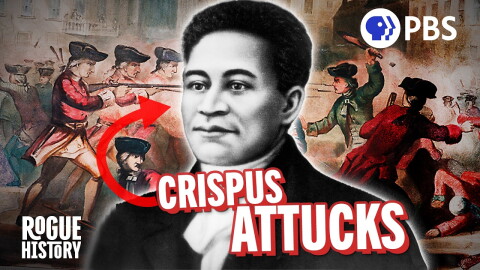 A Black and Wampanoag sailor who escaped enslavement, Crispus Attucks was the first man to fall when British troops opened fire on a crowd of disgruntled colonists in Boston, 1770.
 -
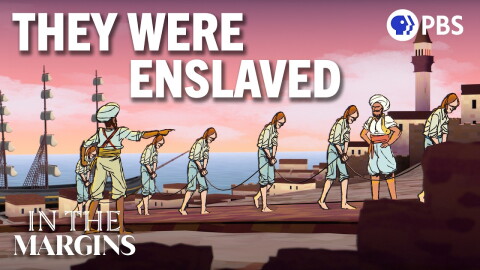 Why was the U.S.'s first foreign war fought off the coast of North Africa? The answer has everything to do with trade, which has influenced American foreign policy for centuries.


-
 In the 1800s, a powerful coalition of politicians, enslavers, and even some abolitionists backed a radical idea: send free Black Americans to Liberia.
 -
 Immigrant and Vermont congressman Matthew Lyon was in jail when he was reelected. Not for the fight he started in the halls of Congress but for his willingness to criticize the relatively new government of the United States.
 -
 Immigrant and Vermont congressman Matthew Lyon was in jail when he was reelected. Not for the fight he started in the halls of Congress but for his willingness to criticize the relatively new government of the United States.
 -
 We’ve been learning about the 13 colonies all our lives, so why did no one think to mention the British Caribbean colonies? And why didn't these colonies join the American Revolution? The answer has a lot to do with slavery.
 -
 In the 1760s, powerful men in the American colonies were in danger. The working class people beneath them were sick of the corruption and bullying, and were ready to rebel. All they needed was a ferocious leader willing to take on the fight. Herman Husband was an enigma. Though a pacifist at heart, his fiery spirit and passion for justice led him into violent uprisings.
 -
 After the Revolutionary War, the U.S. was drowning in debt. To pay it off, it sold Native land it didn’t control. This is the story of how a powerful Native alliance fought back, slowing America’s westward expansion in a war forgotten by history.
 -
 King Philip's War was the deadliest conflict of the colonial period. What scared the colonists most was the sophistication of Philip's forces. Indigenous warriors used guerrilla tactics that the English, trained in European-style warfare, were completely unprepared for.
 -
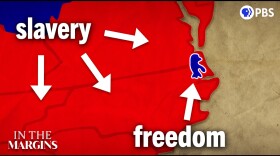 Deep in the Great Dismal Swamp, thousands of Black people created a hidden free society, one that defied slavery for centuries. This is the story of the rebels who turned a swamp into a sanctuary.
 -
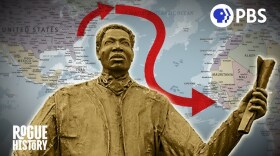 The British government vowed freedom to enslaved people if they could escape and take up arms against their Patriot enslavers. But when the British failed to deliver promised land in Nova Scotia, the Black Loyalists needed a leader to step up, sail across the ocean, and demand a solution.
 -
 One hot, mosquito-filled summer, less than a decade after the birth of the US, yellow fever brought the capital city to the brink of collapse. As the Founding Fathers fled to safety, a small community of essential workers stepped up. Who are these unsung heroes, and how did Philadelphia bounce back?


